
CONTENTS
How to Choose a Backpack (Without the Guesswork)
Check out our cabin bag collection
View All
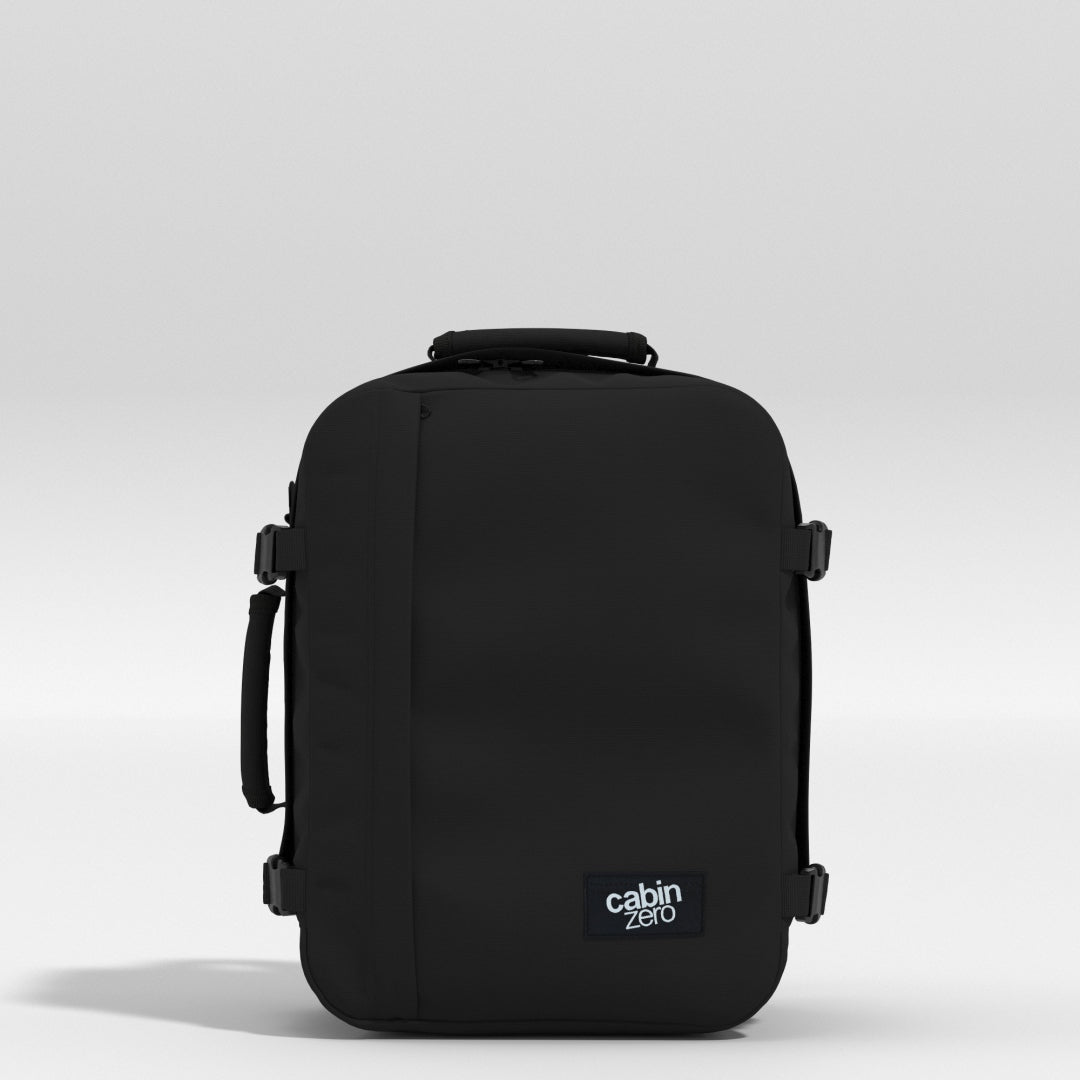


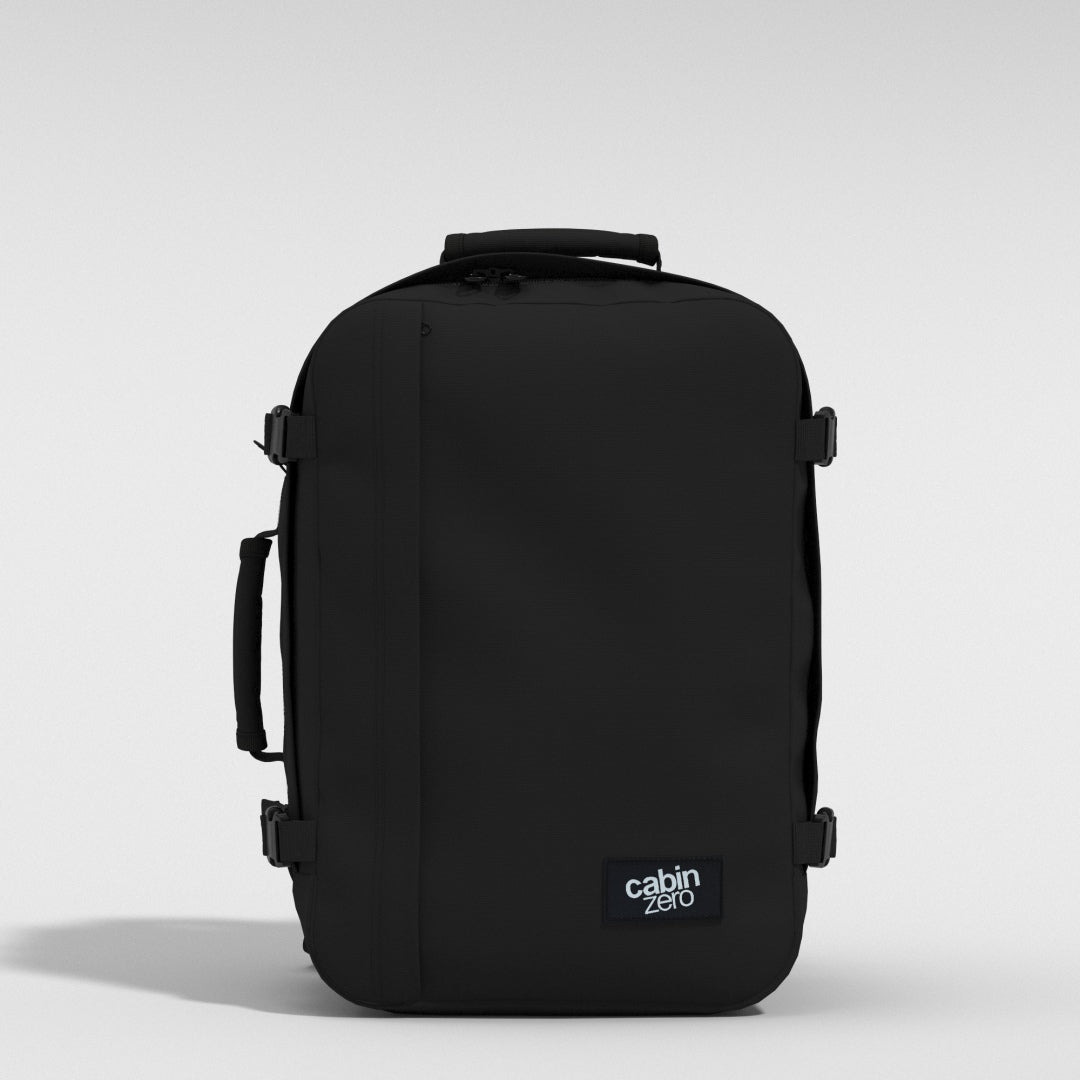

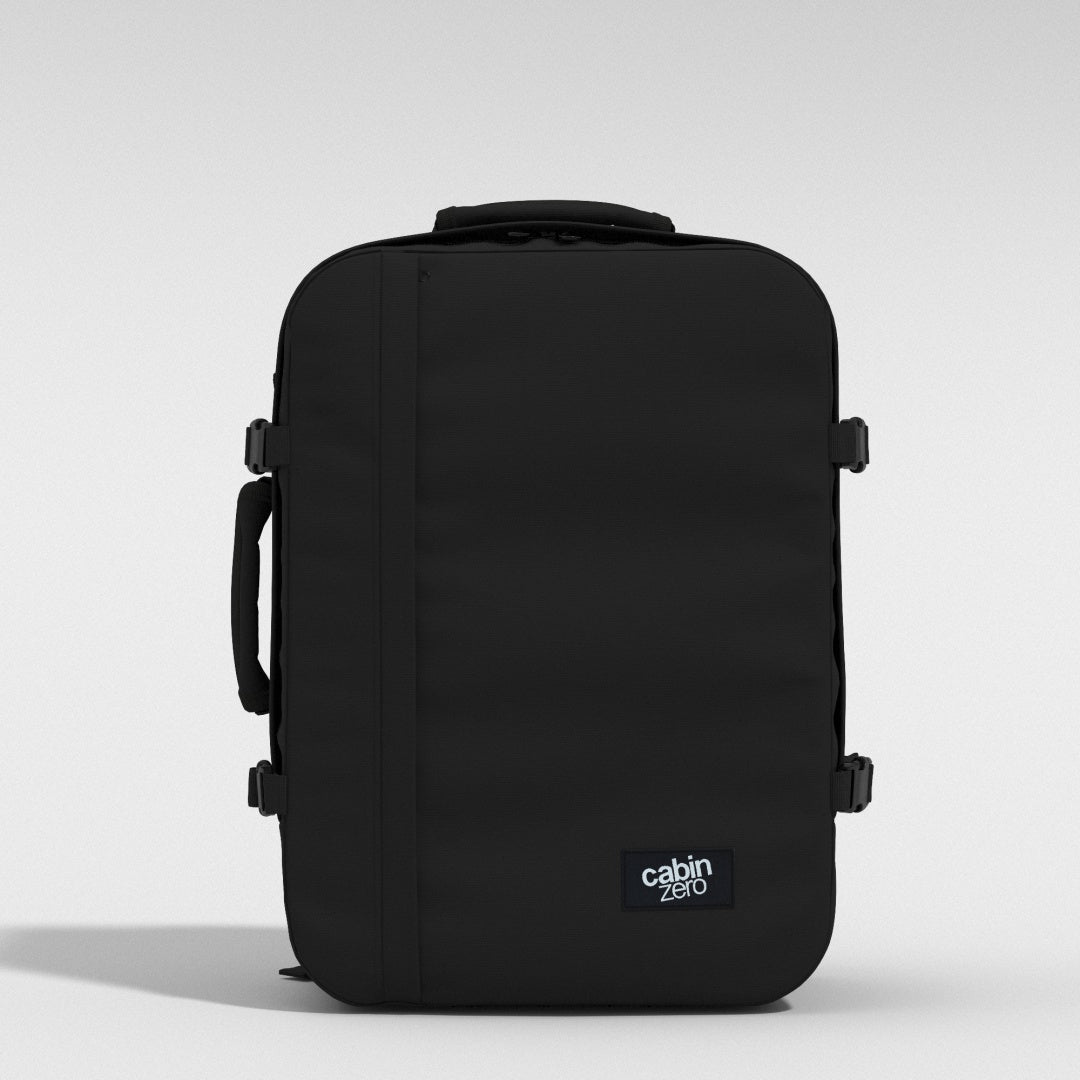

Have you ever bought a backpack online that looked perfect, only to find it was too small, uncomfortable, or impossible to pack for your trip?
Selecting the right travel backpack is to pick one that does more than look the part. The wrong size can leave you struggling to cram in your essentials and bad support can make a few hours of carrying turn into sore shoulders.
The best one depends on how long you’ll be travelling for, what you’ll be packing and whether you’ll be carrying your bag on a plane. This guide will assist you in how to choose a backpack that you will actually enjoy using for years to come.

Here is what you need to know to find the perfect backpack.
How to Choose the Right Backpack Capacity
Before you start looking at options, you will need to think of: the duration of your trip, the weather of the destination, how much you will pack, and what airlines you will fly.
1. Backpack Capacity By Trip Length
|
Trip |
Recommended capacity |
Suitable for |
|
Day trip |
10 - 20L |
Sightseeing, commuting, daily essentials |
|
Weekend (1 - 3 days) |
20 - 30L |
Weekend breaks and short city trips |
|
4 - 7 days |
30 - 40L |
Carry-on travel and most week-long holidays |
|
1 - 2 weeks |
35 - 45L |
Longer holidays or destinations requiring bulkier clothing |
|
Long-term travel |
50L+ |
Backpacking, camping, or gear-intensive adventures |
Typically, a 20 - 30L backpack is enough for a weekend trip for most travellers, while a 35 - 45L backpack works well for one to two weeks. For longer trips, you may need 50L or more depending on your packing style.
2. Consider The Weather
Imagine you're packing for a weeklong trip. In the summer you might only need T-shirts and shorts and a light jacket and they can all fit in a small backpack.
Take the same trip in winter and you’re likely packing a heavy coat, jumpers, boots, gloves and other cold-weather clothes and gear. And the backpack that was roomy in July is suddenly not roomy enough.
When choosing a backpack, always keep in mind the weather of where you are going. If you’re planning ahead, you can check weather apps like AccuWeather to get a sense of the temperature and how much rain to expect on your trip.
3. Choose Based On Your Packing Style
The same trip could take very different backpack sizes depending on how you like to pack.
Some travellers only want to pack the bare essentials. They pick versatile clothes, do laundry on longer trips, and don’t mind buying toiletries or other small items when they get there.
If this sounds like you, you can often get everything you need into a smaller backpack, which is also easier to manoeuvre.
Some people like to bring it all from home. They pack an extra outfit for each day, full-sized toiletries, an extra pair of shoes, or things “just in case.” This gives peace of mind but takes up a lot more space and usually requires a bigger backpack.
In our experience, not everyone can start with a small packing list. Instead, you learn from many trips and gradually downsize.
4. Consider Airline Carry-On Restrictions

Choose wisely and you will save thousands of bag fees.
Planning a multi-stop trip? Be sure to check the dimensions and capacity of your backpack. Not all airlines have the same rules about cabin baggage so a backpack that fits perfectly on one flight could be too big on another. The shape and size of the backpack can vary for the same capacity depending on the brand.
How To Choose A Backpack That Fits You?
1. Frame type
It defines the shape of the bag and how the weight moves with you.
-
Internal-frame backpacks make it easier to walk through airports or busy streets without getting off balance.
-
Frameless backpacks are lighter and easier to compress than the rigid frame type, but require careful packing to keep you comfortable.
If you like flexibility, a backpack like our ADV 42L and ADV Pro 42L come with a removable Aluminium frame sheet. When you want support for heavy loads, you put it in. When you want to reduce the weight for short distance walking, simply remove it.
2. Ventilation
One of the most important factors on how to choose a backpack is ventilation, especially if you are travelling in summer or visiting hot, humid destinations.
You may not notice the frame of your backpack right away, but you will probably notice a sweaty back after an hour of walking through a city. Even a light load is heavy when the heat builds up between your back and the pack.
We recommend choosing one with a suspended mesh back panel or foam channels to allow air to flow without sacrificing support.
3. Torso Length
Regarding how to choose a good backpack, pay attention to your torso length: from the bottom of your neck to the top of your hips. Two people of the same height might have completely different torso lengths, and the same backpack might fit one person perfectly and feel awkward on the other.
A backpack that is sized for your torso length puts the shoulder straps, hip belt and load lifters where they naturally belong. If the torso is too long, the backpack can pull away from your back and shift its weight onto your shoulders. Too short and the hip belt often rides too high and has trouble supporting the load.
>>> Here Is A Handy Guide On How To Measure Your Torso Length.
4. Waist Size
The most common misconception is that the shoulder straps carry most of the weight of a backpack. In fact, a correctly fitted hip belt should do most of the work.
A comfortable hip belt shifts a good portion of the load away from your shoulders and into your lower body, where your stronger muscles can work more efficiently. That’s why experienced hikers can carry heavy packs for hours and don’t have to constantly readjust their shoulder straps.
If the hip belt is too loose, the backpack might sway as you walk. If it is too tight or sits above your hips, it can create uncomfortable pressure rather than improve support. Sometimes the waist belt makes a far bigger difference than tightening every other strap to get it right.
5. Women-Specific Backpacks
When selecting a backpack, it’s easy to get caught up in the labels “men’s” or “women’s.” But the labels really aren't as important as how the backpack fits your body.
A comfortable backpack should sit naturally on your shoulders, keep the weight balanced, and feel stable when you walk. Adjustable shoulder straps, a supportive back panel and ergonomic design are often more important than if a backpack is marketed to a specific gender.
That’s why CabinZero backpacks have a unisex design that fits a wide variety of body types. Rather than separating distinct men’s and women’s collections, we focus on lightweight construction, balanced proportions and adjustable features that allow each traveller to find their own comfortable fit.
Useful Features to Look For
It's easy to be impressed by a backpack with dozens of compartments and technical features. In reality, less is more. Focus on features that matter to you most.
1. Pack access

It can help you save time finding your items.
Before you start comparing fabrics or compartments, ask yourself how do you tend to pack?
If you like to see it all at once, neatly unpack at your destination, a clamshell-opening backpack will probably feel much more intuitive. It opens like a suitcase, so you can get to things from any side of the bag without having to dump everything out first.
Top-loading backpacks cater to a different breed of traveller. They pack up fast, have a cleaner design and often do better outdoors, where durability matters more than convenience.
2. Pockets
Again, personal preference plays a big part here. Some prefer a minimalist approach, a huge compartment with few pockets, whilst others may navigate to one with many pockets for their bits and bots.
Pay attention to:
-
Quick-access pockets for your passport, boarding pass, wallet, buds, etc.
-
Laptop compartment/sleeve for your laptop.
- Side pockets can be handy for water bottles or brollies.
- Hidden/security pockets which often positioned against your back to store passport, wallet, or phone.
Simply lay out what you will pack and think where you want to put them on your ideal backpack.
3. Safety aspect
Busy airports, train stations, and tourist attractions are where you'll appreciate thoughtful security features the most. Hence, it’s wise to pick a backpack with lockable zips to help keep your belongings secure while you're on the move.
Why Should You Test Before Buying?
You can spend hours comparing specs but the best way to know if a backpack fits you is to feel how it feels on your back.
We recommend that you go to a physical store and try the backpack on with some weight in it. A bag that feels good when empty can turn into a very different experience when filled with travel essentials. Try walking around for a while and see if the weight feels balanced or starts pulling on your shoulders.
Even when shopping online, you can still make a more informed decision by checking for the backpack's dimensions and adjustment options. Another tip is to read reviews from travellers with similar body types or travel habits.
At the end of the day, no spec sheet can tell you how a backpack will feel on your back for real — only trying it can. So if you're able to, pop into our store and put one on your back before you decide.
Let’s Choose Your Ideal Backpack!
There is no single backpack that works perfectly for every traveller. Choosing a suitable one involves a combination of factors, from capacity and fit to weather, organisation, and the way you move through the world.
This article has shared how to choose a backpack in some practical ways, so you can avoid common mistakes like buying a bag that's too big or uncomfortable. Please comment below if you find any information confusing. And finally, thanks for reading our blog!
Ha Ngan


Leave a comment